|
As the autumn chill sets in across South Yorkshire and winter approaches, our homes face a fresh batch of seasonal challenges. From freezing overnight frosts to persistent rain and high winds sweeping down from the Pennines, dropping temperatures can expose hidden weaknesses in your property's exterior.
Your roof is your home's primary line of defense against the elements. Taking a proactive approach to roof care before the worst of the winter weather hits is the best way to protect your investment and avoid costly emergency repairs. Critical Areas to Check Before Winter Arrives
Whether you need a pre-winter health check, minor slate repairs, or a complete overhaul, working with experienced roofers sheffield residents trust guarantees lasting results. High-quality roofing sheffield services combine durable materials with expert craftsmanship tailored specifically to withstand our local climate. Don't wait for the first winter storm to find out your roof needs attention. Reach out to one of the leading roofing companies in Sheffield today to schedule your free, no-obligation inspection and secure your home for the months ahead! [Contact our team today to book your winter roof check and keep your home snug and secure!] Living in South Yorkshire means dealing with everything from heavy autumn downpours to freezing winter frosts and high winds rolling off the Pennines. While your roof is built to take a beating, the unpredictable British weather can slowly take its toll.
Knowing when to call a professional can save you from costly structural damage down the line. To help you protect your property, we’ve broken down the top warning signs that indicate your home needs attention from a professional team. 1. Missing or Damaged Slates and TilesAfter a bout of heavy wind or storm activity, take a walk around your property and look up. If you notice cracked, slipped, or missing tiles and slates, your underlay is left completely exposed to the elements. Unaddressed gaps give rain a direct entry point into your attic, rapidly leading to rot and leaks. 2. Damp Patches and Ceiling StainsNot all roof issues are visible from the outside. If you spot brown water stains, peeling wallpaper, or damp patches on your upstairs ceilings or walls, it’s a clear cry for help. Even a minor leak can quietly soak into insulation and timber joists, creating a breeding ground for mould. 3. Sagging Roof LinesA sagging roof is a severe red flag that requires immediate intervention. If the ridge of your roof looks uneven, dips in the middle, or slopes downward, it usually points to structural stress, weakened timber, or a failing roof deck. Do not wait on this—call a trusted local specialist straight away. 4. Excessive Granules in Your GuttersIf you have a tiled roof, check your gutters during routine cleaning. Finding an unusual accumulation of debris washing down the drainpipes usually means your materials are nearing the end of their lifespan and losing their weather-protective coating. Protect Your Home with Local ExpertsCatching roofing problems early is the ultimate way to keep repair bills manageable. If you’ve spotted any of these warning signs around your property, don't leave it to chance. When you need dependable roofers Sheffield homeowners can trust for quality craftsmanship, our experienced local crew is here to help. As leading roofers in Sheffield, we handle everything from minor slate replacements to complete installations. If you are looking for reliable roof repairs in Sheffield, get in touch with our team today for a free, no-obligation inspection and quote! Contact our Roofing Sheffield Team today to secure your home before the next storm hits!  Roof Repair vs. Roof Replacement: How to Know What Your Home Actually Needs.
As a homeowner, your roof is one of the most critical components of your property. It protects your family, your belongings, and your entire investment from the unpredictable British weather. But because it’s "out of sight, out of mind," it’s easy to ignore until a damp patch appears on your ceiling. When a roofing issue arises, the immediate question is always: Can I get away with a simple repair, or do I need a completely new roof? Making the wrong call can be incredibly costly—either by wasting money patching up a roof that’s past its prime, or by dropping thousands on a full replacement you didn’t actually need yet. As experienced experts in Roofing Sheffield, we’ve broken down the warning signs for both paths so you can make an informed decision. When a Roof Repair is EnoughIf your roof is relatively modern and the damage is isolated to a specific area, a professional repair is usually the fastest and most budget-friendly option. Here are the most common scenarios where a patch-up makes the most sense:
When It’s Time for a Full Roof Replacement (Re-roofing)Sometimes, patching a roof is just putting a temporary plaster on a much bigger problem. If the structural integrity of the roof or the underlay has failed, continuing to pay for repairs is just throwing good money after bad. Keep an eye out for these definitive warning signs:
The Ultimate Checklist: Repair or Re-roof?When you are trying to weigh up your options, it helps to look at the bigger picture. Here is how the key factors stack up against each other: When to Choose a Repair
Ready to Get an Honest Assessment from Trusted Roofers Sheffield?Whether you need a quick leak fixed before winter or want to explore your options for a beautiful, long-lasting new slate or tile roof, our team is here to help. As reliable Roofers Sheffield, we provide transparent, thorough roof inspections to give you the exact health status of your roof—with zero high-pressure sales tactics. Contact us today to schedule your roof inspection! In the unpredictable British weather—especially here in Sheffield, where the Peak District winds whip across S1 to S26 postcodes—your roof is your home’s first line of defence. With 2025 material prices up 9% and labour rates in South Yorkshire averaging £32-£38/hr, replacing or repairing a roof is a bigger investment than ever. But get it right with a trusted Sheffield roofing company, and you’ll lock in 30–100 years of protection, boost your EPC rating, and even add £5k–£10k to your home’s resale value. The average cost for a full roof replacement in Sheffield in 2025 is £6,800–£12,500 for a typical 3-bed semi (50–70 m²). London premiums don’t apply here, but steel-city scaffolding costs and wet-weather scheduling still push quotes 5–10% above national averages. In this guide we will cover:
Sheffield Roof Types & 2025-2026 Costs (50–70 m²)Sheffield’s mix of Victorian terraces, 1930s semis, and modern flats means pitched concrete tiles dominate, but slate and flat GRP roofs are surging in S10 and S11. Here’s what local Sheffield roofers are quoting right now (incl. VAT, labour, scaffolding & waste skip):
Sheffield tip: Add £600–£1,200 for old roof strip-off (common in S2/S5 terraces with 2–3 layers). S10 slate re-roofs often hit £13k+ due to steep pitches and chimney stacks. Roof Repair Costs in sheffieldCaught early, repairs save 70–90% vs full replacement. Sheffield’s wet winters mean leaks in November–March spike. Here’s what local call-outs cost:
Top Tip: Book a £150 drone survey (deductible from bigger jobs). What's good value for sheffield roof in 2025-2026To ensure you are getting value for money, we recommend looking out for the following:
Sheffield sweet spot: Concrete tiles (£5,500–£6,500) or EPDM flat roof (£4,200) with full scaffold, skip, and 15-year guarantee. How can you tell a dodgy roofer?Sheffield Trading Standards logged 1,200+ roofing complaints in 2024—mostly S2, S5, S13 post-storm. Red flags:
✅ Use Google and Checkatrade – filter Sheffield, 10+ miles, 9.8+ rating ✅ Ask for NFRC membership or TrustMark ✅ Pay 10% deposit, balance on completion ✅ Get everything in writing (JCT Minor Works contract) If you are looking for a competitve quote for your new roof, give our Roofers Sheffield team a call today!
 Roof Insurance Claims: A Step-by-Step Guide from Roofers Sheffield
If you’ve discovered roof damage on your property—whether caused by a storm, water ingress, or sudden structural failure—you may be asking yourself: Can this be claimed on my home insurance? And if so, what’s the process? As one of Sheffield’s leading roofing companies, we regularly help homeowners navigate the often-complicated roof insurance claims process. Below, we’ll walk you through what to do, how to prepare your claim, and what to expect along the way. Understanding What Your Insurance Covers before you contact your insurance provider, it’s important to know what’s typically covered under UK home insurance policies. Usually covered:
Document the Damage ThoroughlyInsurance companies require clear proof that the damage was sudden and not caused by neglect. What to record:
At Roofers Sheffield, we can provide a full photographic report safely and professionally. We don’t recommend climbing ladders yourself. Get an Independent Roof InspectionWhile insurers often send their own assessors, having an independent inspection from trusted local roofers in Sheffield can protect your interests and help ensure your claim is processed fairly. You should expect to pay around £250–£350 for a detailed independent report, but this can make a big difference in getting your claim approved. What to ask for in a report:
Contact Your Insurance Provider quickly once you have your documentation, contact your insurer straight away—ideally within 24–48 hours of discovering the damage. Be ready with:
Don’t Authorise Major Repairs Until ApprovedDo not begin full-scale repairs or a roof replacement until your insurer gives written approval, unless temporary emergency repairs are needed to prevent further damage. Examples of emergency repairs:
What If Your Claim Is Rejected?Claims may be refused if the damage is considered:
At Roofers Sheffield, we can help provide additional evidence to support an appeal. After Approval – Next StepsOnce your claim is approved, you can move forward with repairs or a full replacement. Always choose an experienced local roofing company that regularly handles insurance work. At Roofers Sheffield, we:
We’ve assisted many Sheffield homeowners in securing fair insurance claims and completing high-quality roof repairs. Bonus Tip: Stay Ahead with Regular MaintenanceInsurers are more likely to approve claims when you can show a history of proper maintenance. Best practices:
Final Thoughts Managing a roofing insurance claim can feel daunting, but following these steps will give you the best chance of success:
At Roofers Sheffield, we’re here to support you through every stage—from inspection and documentation to repairs and insurer communication.  What is the party wall act?
If you're planning roofing work in Sheffield, it’s crucial to understand the implications of the Party Wall etc. Act 1996. This UK legislation is designed to prevent disputes between neighbours over shared property boundaries and can directly affect your plans, particularly when working on or near shared walls, boundaries, or roofs. In this guide, we'll delve into what the Party Wall Act entails, why it's relevant to roofing projects, and how you can navigate its requirements to ensure a smooth process and legal compliance. The Party Wall etc. Act 1996 provides a legal framework for resolving disputes between property owners regarding party walls, boundary walls, and excavations near neighbouring buildings. A "party wall" is a wall that is shared by two properties, either as part of the building itself or as a boundary. The Act applies when you are:
For roofing projects, the Act often comes into play because many semi-detached, terraced houses, and buildings with shared rooflines in Sheffield may have structures that fall under this definition. Why is the party wall act relevant to roofing work? Roofing work can involve changes to shared elements of your property, and this can impact your neighbours. Key roofing scenarios where the Party Wall Act might apply include: Chimney Repairs or Removal - Chimneys on party walls or shared rooflines are often a source of disputes. Whether you're repairing, removing, or rebuilding a chimney, you’ll need to consider the Act if the work affects a shared wall or structure. Replacing or Altering a Shared Roof - If your roofing work involves replacing roof coverings, changing the structure of a roof, or altering shared gutters fascias and soffits, this can impact your neighbour's property. Such changes may require adherence to the Act. Installing or Adjusting Rooflights or Skylights - Roof modifications that change the height or structure of a shared roof may require a party wall agreement, especially if they alter the existing boundary. Structural Work Involving Roof Supports - Roofing repairs or upgrades often require changes to structural timbers, which could impact the adjoining property. Work affecting fire stopping The party wall between two properties serves as an important barrier to prevent fire spreading from one property to another. Any works which affect the fire stopping measures between two properties will also involve the party wall act and building regulations How to comply with the party wall act If the Act applies, you are legally required to serve a Party Wall Notice on your neighbours. This notice must:
Wait for Consent or Dissent - Your neighbour can either:
Appoint a Party Wall Surveyor - If there’s dissent, or if the scope of work is complex, appoint a surveyor to mediate and draw up an Award. This document outlines the agreed terms, ensuring that all parties are protected. What happens if you don't comply with the party wall act? Failure to comply with the Party Wall Act can lead to costly disputes, work stoppages, and even legal action. For roofing contractors and homeowners in Sheffield, non-compliance could result in liability for damages or delayed project timelines. Planning roofing work with the party wall act in mind Communicate Early with NeighboursOpen communication can often resolve concerns before they escalate. Explain your plans and show a willingness to address any issues. Work with ProfessionalsHire experienced roofing contractors and Party Wall surveyors familiar with Sheffield’s property styles and legal requirements. Understand Local Property CharacteristicsSheffield has a mix of historic terraced homes, semi-detached properties, and modern builds. Recognising how these property types interact can help you anticipate Party Wall Act implications. Keep RecordsTake photographs and document the condition of shared structures before starting work. This can help resolve any disputes about damage. Summary Roofing work in Sheffield can be complex, especially when shared structures are involved. Understanding and complying with the Party Wall etc. Act 1996 ensures that you respect your neighbour’s rights and avoid unnecessary disputes. Whether you’re repairing a chimney, installing new gutters, or replacing a roof, taking the right legal steps early on can save time and money. For tailored advice, consider consulting with a Party Wall surveyor and reputable roofing professionals to make your project a success. By navigating the Party Wall Act correctly, you can ensure your roofing work is both compliant and neighbour-friendly. For a team you can rely on, contact our friendly Roofers Sheffield team today. We can provide you with honest, expert advice, ensuring your job gets done right first time.  When your roof needs repairs or a full replacement, you may find yourself wondering, “Can roofers work in the rain?” Here at Roofers Sheffield, we frequently get asked this question, especially with the unpredictable British weather. While it may seem like roofing work should continue come rain or shine, there are important factors to consider when it comes to working on roofs during wet conditions. In most cases, roofing contractors do not work in the rain. Roofing involves intricate work that requires a dry and stable surface to ensure safety and quality. Rain can create several issues that affect both the roofers themselves and the quality of the roofing job. The main reasons for this are outlined below: Safety Concerns Safety is always the top priority for roofing professionals. Wet surfaces become slippery, and climbing ladders or walking on pitched roofs in the rain significantly increases the risk of falls and injuries. In addition, rain often brings with it strong winds, which can further endanger roofers working at heights. Risk of leaks When working on a roof, the property is more likely to be exposed to the elements. This can lead to a risk of further damage being created by the rainfall. Trying to continue with roofing work in the rain may cause more damage than good. Sometimes, it is best to wait for the rain to end before continuing. Damage to Roofing Materials Certain roofing materials, such as felt, tiles, and underlay, are sensitive to moisture. Installing them when they are wet can affect their adhesive properties or cause damage. For example, felt may not adhere properly, which could lead to future leaks or premature wear. To ensure the long-term integrity of your roof, it’s essential to install these materials in dry conditions. Substandard Workmanship Roofing is a precision trade, and even small errors can lead to costly problems down the road. Working in wet conditions often forces roofers to rush or cut corners to avoid getting soaked, leading to substandard workmanship. Leaks, poor sealing, and alignment issues are more likely to occur when work is done in wet conditions. Regulatory Compliance As a roofing contractor, Roofers Sheffield are accredited by the NFRC. The NFRC set strict guidance on when roofing work must be stopped in the event of extreme weather. Any contractor found to be working in conditions that go against the NFRC guidelines may be struck off the register and handed a hefty fine. When is IT SAFE TO work on roof?The ideal conditions for roofing work are dry and clear weather. However, that doesn’t mean roofing projects are at a complete standstill during rainy seasons. At Roofers Sheffield, we monitor the weather closely to plan our work around dry spells. In some cases, minor jobs or emergency repairs can be completed during light rain if safety measures are in place, but for larger installations or replacements, it’s best to wait until the rain has passed. what happens if it rains during my projectIt’s common for rain to interrupt roofing projects in Sheffield, but there’s no need to worry. At Roofers Sheffield, we take several precautions to protect your home if rain is forecast or a surprise shower rolls in:
what happens in the event of an emergencyWhile planned roofing projects are generally delayed in the rain, emergencies such as active leaks need immediate attention. In these cases, Roofers Sheffield can perform temporary repairs or install protective tarping to minimise further damage until permanent repairs can be completed.
Roofing work in the rain is not ideal for safety, the quality of the project, or the longevity of your roof. Whether you’re dealing with a small repair or a full roof replacement, it’s best to wait for clear weather to ensure the job is done right. If you're in need of roofing services and are concerned about scheduling around the weather, don’t hesitate to contact us at Roofers Sheffield. We’ll work with you to find the best time to complete your project safely and professionally. Need emergency roofing? Get in touch with Roofers Sheffield today for a free consultation.  Maintaining or replacing a roof is a significant investment for any property owner. Understanding the average costs involved can help you budget effectively and make informed decisions. At Roofers Sheffield, we have produced this article to provide a detailed overview of average roofing costs you can expect in Sheffield in 2024, covering roof replacements, repairs, flat roofs, new roofs for extensions, and commercial roofing. Factors Influencing Roofing Costs Several factors influence the cost of roofing projects, whether for replacement, repair, or new installations. The type of roofing material is a primary determinant, with options like slate, clay tiles, concrete tiles, and synthetic slate varying significantly in price. The size and complexity of the roof also impact costs, as larger roofs or those with intricate designs and multiple slopes require more materials and labour. Additionally, labour costs can vary based on the expertise and reputation of the roofing contractor. The condition of the existing roof is another critical factor; extensive damage or the need for structural repairs will increase the overall expense. Local planning restrictions will also impact the cost of your roof work. For example if you live in a conservation area, roofing work may require a planning application and specialist materials, which can increase the overall costs. Finally the need for safe access measures such as scaffolding or other safety measures, can add to the costs. Lastly, geographical location throughout the city plays a role, as prices for materials and labour can differ based on regional economic conditions and market demand. Average roof replacement costs in Sheffield Replacing an entire roof is a major investment. Here are the average costs for different types of roofing materials specific to properties in Sheffield: Slate Tiles Cost: £100 to £130 per square meter Average Total Cost: £6,000 to £13,000 for an average-sized home (60-100 sqm) Clay Tiles Cost: £80 to £100 per square meter Average Total Cost: £4,800 to £10,000 for an average-sized home Concrete Tiles Cost: £70 to £90 per square meter Average Total Cost: £4,200 to £9,000 for an average-sized home Synthetic Slate Cost: £90 to £110 per square meter Average Total Cost: £5,400 to £11,000 for an average-sized home Average roof repair costs in Sheffield Regular maintenance and repairs can help extend the lifespan of your roof, saving you money in the long term. Here are the typical costs for common roof repairs in Sheffield: Minor Repairs (e.g., replacing a few tiles, fixing small leaks) Cost: £150 to £400 Moderate Repairs (e.g., repairing flashing, fixing moderate leaks) Cost: £400 to £800 Major Repairs (e.g., significant structural damage, large leaks) Cost: £800 to £2,000 Flat Roof Costs Flat roofs are a popular choice for extensions and certain property types. Here are the average costs for installing a flat roof in Sheffield: Felt Roofing Cost: £40 to £60 per square meter Average Total Cost: £800 to £1,800 for a 20-30 sqm flat roof EPDM Rubber Roofing Cost: £50 to £80 per square meter Average Total Cost: £1,000 to £2,400 for a 20-30 sqm flat roof Fiberglass (GRP) Roofing Cost: £70 to £100 per square meter Average Total Cost: £1,400 to £3,000 for a 20-30 sqm flat roof New extension roof costs Adding an extension to your home requires a new roof. Here are the typical costs for roofing an extension in Sheffield: Slate Tiles Cost: £100 to £130 per square meter Average Total Cost: £2,000 to £3,900 for a 20-30 sqm extension Clay Tiles Cost: £80 to £100 per square meter Average Total Cost: £1,600 to £3,000 for a 20-30 sqm extension Concrete Tiles Cost: £70 to £90 per square meter Average Total Cost: £1,400 to £2,700 for a 20-30 sqm extension Commercial roofing costs Commercial properties often have different requirements compared to residential ones, so you can expect to pay different rates. Here are the average costs for commercial roofing in Sheffield: Single-Ply Roofing Systems (e.g., TPO, PVC) Cost: £50 to £80 per square meter Average Total Cost: £5,000 to £16,000 for a 100-200 sqm roof Built-Up Roofing (BUR) Cost: £60 to £90 per square meter Average Total Cost: £6,000 to £18,000 for a 100-200 sqm roof Metal Roofing Cost: £80 to £120 per square meter Average Total Cost: £8,000 to £24,000 for a 100-200 sqm roof How to save money on your roofing project Saving money on roofing costs requires strategic planning and informed decision-making. Start by obtaining multiple quotes from reputable roofing contractors to ensure competitive pricing. Schedule your roofing project during the dryer off-season, such as summer and late autumn, when contractors are less busy and may offer discounts. Choose durable and cost-effective materials that require minimal maintenance, balancing upfront costs with long-term savings. Regular maintenance and timely minor repairs can prevent small issues from escalating into expensive problems. If you're capable, consider handling simple tasks like cleaning gutters or fascias yourself, but always leave major work to professionals to avoid costly mistakes and safety risks. Additionally, check for local government grants or incentives that support energy-efficient roofing upgrades. This includes roof insulation top ups, as this can offset some of the initial expenses and save on energy bills longer term. Call today for a free quote! Investing in a new roof, repairs, or an extension requires careful planning and budgeting. At Roofers Sheffield, we are committed to providing high-quality roofing services and transparent pricing to help you make informed decisions. For a personalized quote or to learn more about our services, contact us today.
 When planning an extension to your home, one of the crucial decisions you'll face is choosing between a flat or pitched roof. Each type has its own set of advantages and disadvantages that can significantly impact the aesthetics, functionality, and cost of your project. To help you make an informed choice, this article will delve into the characteristics of both flat, pitched and lean-to roofs, considering the pro's and cons of each for your extension. Understanding Flat Roofs Flat roofs, despite their name, are not entirely flat. They have a slight pitch (usually between 1-10 degrees) to allow water drainage. Here are some key points to consider: Advantages of Flat Roofs:
Understanding Pitched Roofs Pitched roofs are the more traditional choice in the UK, characterised by their steep angles. Here's what you need to know: Advantages of Pitched Roofs:
Understanding Lean-to Roofs
Lean-to roofs are a subtype of pitched roofs. They consist of a single slope that leans against an existing building, making them ideal for smaller extensions. Here's what you need to know: Advantages of Lean-to Roofs:
Disadvantages of Lean-to Roofs:
Making Your Decision: When deciding between a flat, pitched, or lean-to roof for your extension, consider the following factors: Architectural Style: Consider the existing architecture of your home. Pitched and lean-to roofs often blend seamlessly with traditional UK homes, while flat roofs can enhance modern or minimalist designs. Budget: Evaluate your budget constraints. Flat roofs can offer a cost-effective solution initially, but consider the potential for higher maintenance costs over time. Lean-to roofs are generally more affordable than full pitched roofs and can be a good compromise between cost and functionality. Purpose and Use: Think about how you intend to use the space. If you’re looking to create an additional outdoor area or install solar panels, a flat roof may be more beneficial. Conversely, if you need more interior space, a pitched roof can provide valuable loft space. Lean-to roofs are ideal for smaller, functional extensions without requiring a major overhaul. Building Regulations and Planning Permissions: Always check local building regulations and planning permissions. Some areas may have restrictions on the type of roof you can build based on aesthetic or environmental guidelines. Conclusion Choosing the right roof type for your extension is a balance of practicality, aesthetics, and budget. Both flat and pitched roofs, including lean-to designs, offer unique benefits and come with their own set of challenges. By carefully considering your specific needs and circumstances, you can make an informed decision that enhances your home’s value and functionality. Whether you opt for the modern appeal of a flat roof, the classic durability of a pitched roof, or the simplicity of a lean-to roof, the key is to plan thoroughly and consult with experienced professionals to ensure a successful extension project. For help with planning your roof extension, call our Roofers Sheffield team today. 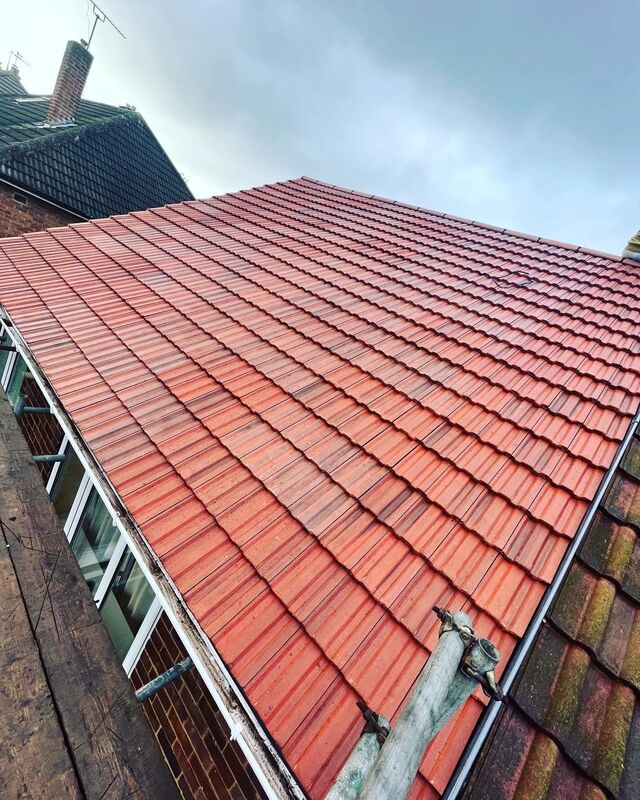 When it comes to home renovations, few projects are as significant or vital as installing a new roof. Not only does a sturdy roof protect your home from the elements, but it also adds to its aesthetic appeal and resale value. However, with the multitude of roofing materials and installation methods available, finding the most cost-effective option can be a daunting task. So, what is the best approach to ensure you get a new roof that meets your needs without breaking the bank? Let's delve into some key considerations.
Material Selection Traditional options like slate and clay tiles have long been popular choices for their durability and weather resistance, making them suitable for properties in South Yorkshire. Additionally, modern alternatives like concrete tiles and synthetic slate offer excellent longevity and protection against the elements, albeit at varying price points. Consulting with local roofing experts such can help you choose the most suitable material for your specific property and budget. In addition, many local roofing contractors will be able to benefit from trade prices and bulk purchase discounts which can all help with reducing the cost of your new roof. Recycling Old Materials In many cases, old roof tiles can be recycled whilst still offering excellent longevity and weather protection for your roof. One option for your roof replacement is to ask your roofing contractor if they can salvage and reuse the good tiles from your roof. This will cut down on material costs, saving you precious amounts on the cost of your new roof. Just keep in mind that the appearance of your roof may be impacted due to the presence of old tiles against new tiles. If these can be hidden in areas of the roof that are not visible from the ground, then the visual impact will be reduced. Quality Installation The expertise and experience of roofing contractors can significantly impact the cost-effectiveness and longevity of your new roof. Opting for local professionals who are well-versed in UK building regulations and weather patterns ensures that your roof is installed to the highest standards. A high quality local contractor like Roofers Sheffield can recommend the most cost-effective solutions tailored to your property's needs. While it may be tempting to cut costs by hiring non-specialised labour, investing in skilled professionals pays dividends in the form of a durable and long-lasting roof. Energy Efficiency Considerations With rising energy costs, UK homeowners are increasingly seeking ways to improve energy efficiency and reduce utility bills. When installing a new roof, consider energy-efficient options and use it as an opportunity to upgrade your loft or flat roof insulation. While this may come at a higher higher upfront cost, the long-term savings on heating and bills can make this a cost effective long term decision. Maintenance and Lifespan Considerations Choosing a roofing material with minimal upkeep requirements can save both time and money in the long run. Materials like concrete and synthetic tiles typically require less maintenance compared to traditional options like slate, which may need periodic inspections and repairs. In addition, the cost of sourcing replacement slates can be more expensive. By opting for a low-maintenance roof with a long lifespan, you can enjoy peace of mind knowing that your investment will provide reliable protection for years to come. Warranty Coverage and Compliance: When investing in a new roof, it's essential to ensure that both the materials and installation are covered by comprehensive warranties. Reputable roofing manufacturers and contractors often provide warranties that cover defects, installation errors, and other issues that may arise. Additionally, verifying compliance with UK building regulations and standards is crucial to avoid potential legal and financial implications down the line. By choosing certified roofing materials and working with NFRC accredited contractors like Roofers Sheffield, you can rest assured that your new roof meets all regulatory requirements and is backed by reliable warranty coverage. In conclusion, the most cost-effective way to install a new roof for your property involves careful consideration of the material selection, quality of installation by local professionals, energy efficiency, maintenance requirements, and warranty coverage. By partnering with experienced roofing experts who understand the unique challenges of installing a new roof, you can ensure that your new roof provides optimal protection, longevity, and value for money. For help with your roof installation, call our Roofers Sheffield team today. |
AuthorRoofers Sheffield - your leading roofing company in South Yorkshire Archives
September 2026
Categories |
 RSS Feed